
Fall Protection
Lanyards vs. Retractable Lifelines: Which Fall Protection Device Do You Need?
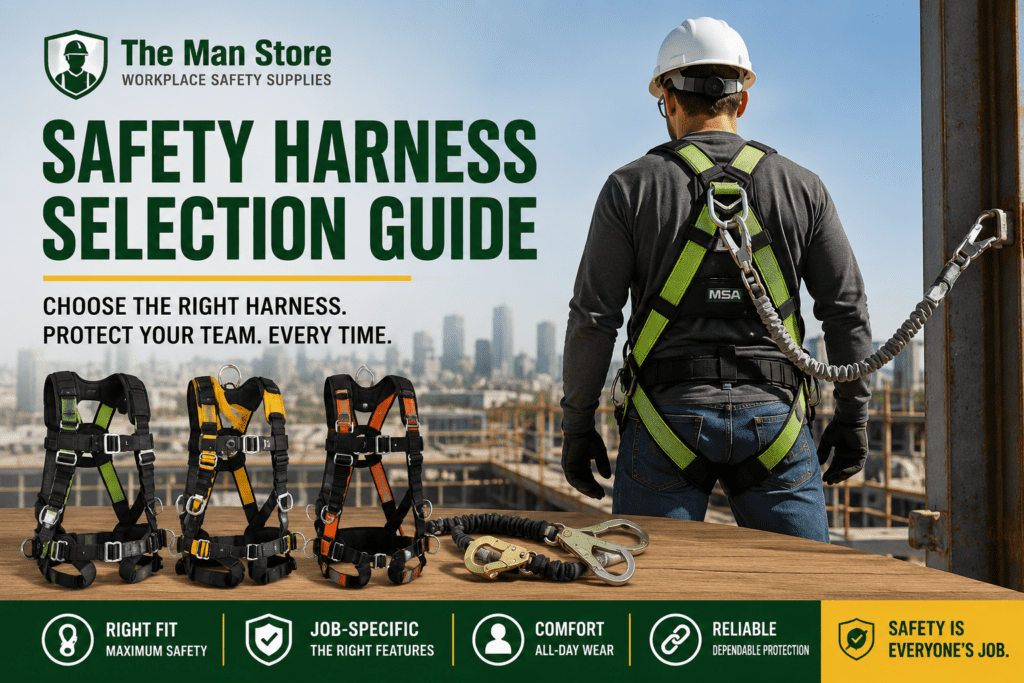
Compliments of The Man Store
In the landscape of workplace safety, the selection of fall protection devices is critical. Among the most commonly used fall protection options are shock-absorbing lanyards and self-retracting lifelines (SRLs). Understanding the differences between these two devices can significantly impact the safety and efficiency of job sites. This article will explore the various considerations when deciding between lanyards and retractable lifelines, focusing on mobility, fall clearance, leading-edge applications, and specific job site uses.
Understanding Lanyards
Shock-absorbing lanyards are tethered safety devices that connect a worker to an anchor point. They are designed to slow the descent of a falling worker through shock absorption mechanisms, making them suitable for many environments. Here are some key features:
- Mobility: Lanyards allow for reasonable movement as they extend and retract based on the worker’s movements.
- Fall Clearance: Users must consider the total fall distance, including the length of the lanyard and any deceleration distance.
- Leading Edge Considerations: Lanyards can be challenging on leading edges, where the risk of a lanyard slipping or becoming entangled increases.
Exploring Retractable Lifelines
Self-retracting lifelines offer a different approach to fall protection. These devices automatically retract as the worker moves and lock in place during a fall. Key features of SRLs include:
- Mobility: SRLs offer greater freedom of movement, automatically adjusting the rope length as the user moves.
- Fall Clearance: They generally require less fall clearance than traditional lanyards due to their locking mechanism, which engages almost immediately during a fall.
- Leading Edge Considerations: Many SRLs are designed specifically for leading-edge work, providing enhanced safety in these situations.
Job Site Use Cases
The choice between lanyards and retractable lifelines often depends on specific job site requirements and conditions:
- Construction Sites: When working at heights with potential for leading-edge risks, retractable lifelines may provide a safer option.
- Manufacturing Facilities: In environments where mobility and quick retrieval are essential, shock-absorbing lanyards are frequently favored.
- Maintenance Work: The location and type of work will ultimately dictate the best option, balancing mobility with safety needs.
FAQ
What factors should influence my choice of fall protection device?
Select devices based on job duties, work environment, potential hazards, comfort, durability, visibility, and your company’s safety requirements.
Can I mix and match fall protection devices on the same job site?
Yes, as long as each device meets safety standards and is used in appropriate conditions. Always consult a qualified safety professional for guidance.
Conclusion
Choosing between lanyards and retractable lifelines is an important decision that can affect the safety and efficiency of your team. By carefully considering the mobility, fall clearance, and specific job site applications, you can select the right fall protection device for your operations. Always ensure that the final selection follows a competent-person review and adheres to applicable safety standards.
Related Workplace Safety Guides
For further insights into maintaining a safe job site, check out our fall protection equipment guide.
At The Man Store, we assist businesses in finding practical safety supplies tailored to their teams and job sites. Feel free to explore our extensive range of fall protection products designed to enhance workplace safety and meet your specific needs.
