
Fall Protection
How to Choose the Right Safety Harness for the Job
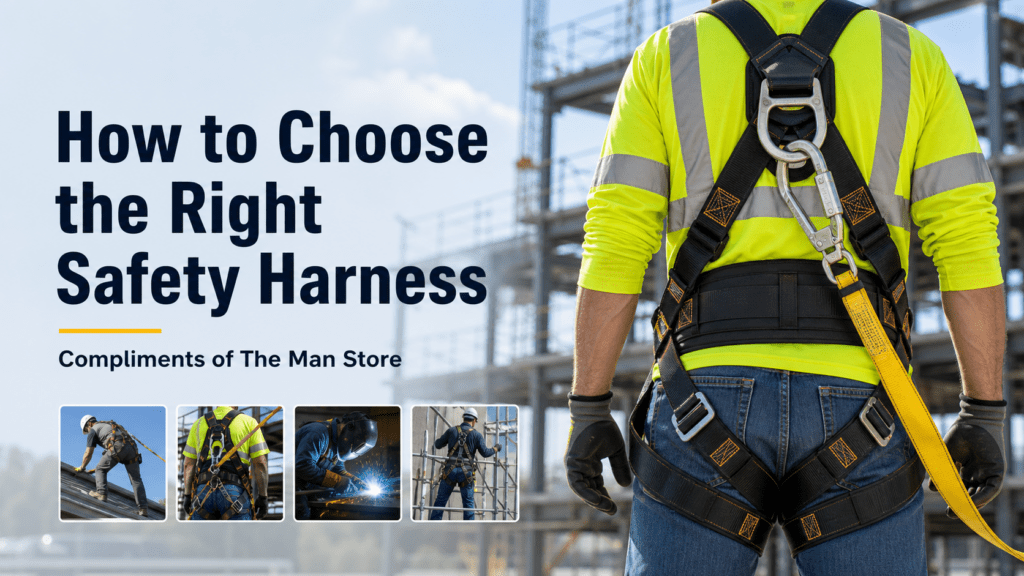
Compliments of The Man Store
Introduction
Choosing the right safety harness is crucial for ensuring the well-being of your team on job sites. With various types of harnesses designed for specific applications like construction, roofing, welding, and industrial work, it’s essential to understand the factors influencing your decision. This guide will break down key considerations such as job type, fit, adjustment styles, D-ring placement, comfort, and the specific needs of your workforce.
Understanding Job Specific Requirements
The first step in selecting a safety harness is to identify the job type. Different industries pose unique risks, requiring specific harness features:
1. Construction
Construction sites often have varying heights and complex structures. A full-body construction harness with multiple D-ring placements is ideal for such environments, providing workers with versatility and fall protection as they navigate scaffolding and high areas.
2. Roofing
Roofing work requires harnesses that ensure secure fastening while allowing for freedom of movement. Look for lightweight harnesses with well-placed D-rings for easy attachment to anchor points, ensuring both comfort and safety as workers maneuver on sloped surfaces.
3. Welding
For welding tasks, flame-resistant harnesses should be prioritized. The right harness will not only support fall protection but also withstand heat and sparks, providing an added safety layer for welders in high-risk conditions.
4. Industrial Work
Industrial environments might require specialized harnesses that account for machinery and other equipment. Look for harnesses that offer robust support and comfort, ensuring that workers can operate effectively while adhering to safety protocols.
Finding the Right Fit
A well-fitted harness is essential for maximizing safety and preventing accidents. When measuring for fit, consider the following:
- Ensure the harness fits snugly but allows for full range of motion.
- Adjustments should be made easily and securely to accommodate varying worker sizes.
- Choose harnesses with adjustable straps to ensure a proper fit for all team members.
Adjustment Styles and D-Ring Placement
Different adjustment styles can affect comfort and usability:
- Quick-connect buckles allow for ease of use, especially in busy work environments.
- Multiple D-ring placements provide flexibility in attachment points, tailored to specific job site conditions.
Comfort Considerations
Comfort should never be overlooked when selecting a safety harness:
- Padded shoulder and leg straps can enhance comfort during extended wear.
- Ensure breathable materials are used to keep workers cool in warmer conditions.
Additional Application Needs
Consider any additional application needs based on your team’s activities and working conditions:
- Visibility: Harnesses with reflective patches can enhance visibility in low-light conditions.
- Durability: Ensure the harness is constructed from materials that stand up to your work environment.
Frequently Asked Questions
What are the primary types of safety harnesses?
The main types include full-body harnesses, seat harnesses, and specialized harnesses for specific applications like welding or tower work.
How can I ensure my team uses harnesses correctly?
Conduct thorough training on proper harness usage, including how to adjust them correctly and attach to safety lines.
Conclusion
Choosing the right safety harness is an essential part of maintaining workplace safety. At The Man Store, we assist businesses in finding the most practical safety supplies tailored to their specific job site needs. By understanding the various aspects of safety harness selection, you can better protect your employees and ensure a safer working environment.
To explore our wide range of safety harnesses and find the best fit for your team, browse our collection today.
Related Workplace Safety Guides
For more insights on selecting safety equipment, check out our fall protection equipment guide.
