Blog, Safety Clothing
RPE – Respiratory Protective Equipment
The Man Store: Your Go-To Expert for RPE
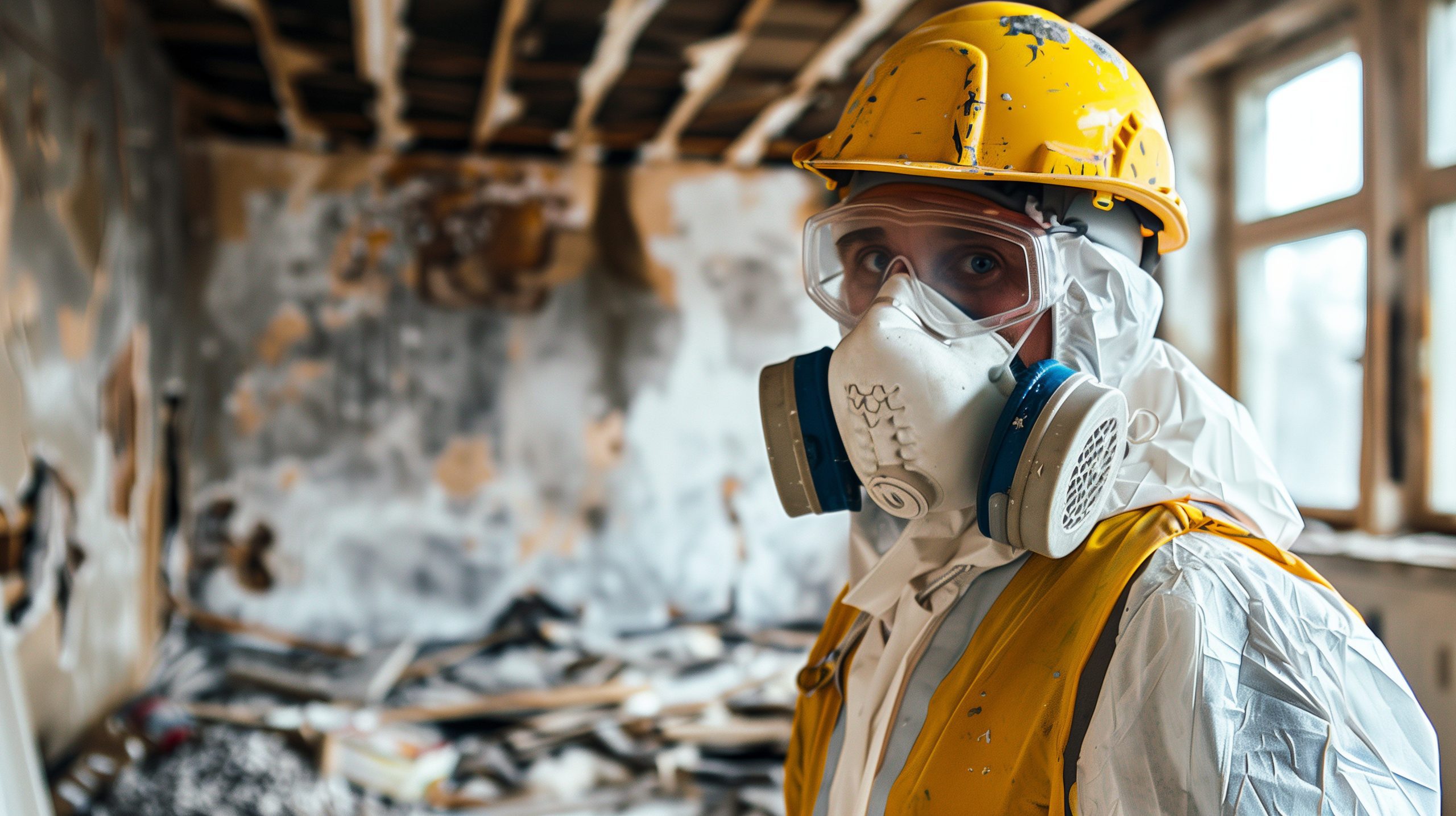
Respiratory protective equipment (RPE) comes in various types, each designed to protect against specific hazards or to suit particular tasks. When selecting a respirator, it’s crucial to consider several factors to determine the required protection level and the best overall option. At The Man Store, we are your trusted experts in respiratory protection. Ask us about filling your RPE needs.
What Is Respiratory Protective Equipment?
“Respiratory protective equipment” (RPE) is the term used in the UK and Europe for what US workplaces usually call a respirator. Respiratory PPE protects the wearer from oxygen-deficient air and from airborne dusts, fogs, smokes, mists, gases, vapors and sprays, which can lead to cancer, lung damage, other illness or death (OSHA).
OSHA sorts respirators by how they protect:
- Air-purifying respirators clean the air you breathe. Particulate respirators filter particles; cartridge and canister respirators filter chemicals and gases.
- Atmosphere-supplying respirators deliver clean air from another source, such as an airline or a self-contained breathing apparatus (SCBA).
In the US, NIOSH tests and approves respirators. Common NIOSH-approved types include disposable filtering facepiece respirators such as N95s (particles only), reusable elastomeric respirators with replaceable filters or cartridges, and powered air-purifying respirators. To check that a model is NIOSH-approved, search the NIOSH Certified Equipment List. CDC notes that a KN95 is an international standard and is not the same as a NIOSH-approved respirator. If you are looking at KN95 products, see KN95 Respirator Masks & Face Masks, Reusable; for other eye, head and hearing gear, see Safety Gear.
Why RPE is Essential
Respiratory protective equipment (RPE) is used to keep people from inhaling hazardous substances that can cause serious health problems, including respiratory disease, cancer and toxic poisoning. In many workplaces, workers are exposed to harmful particulates, gases, vapors and oxygen-deficient air that ventilation alone does not control. RPE filters the air or supplies clean air, but it is not the first choice of control and it only works when it is the right type, fits properly and is used correctly. Employers should combine it with a workplace hazard assessment and the rules that apply to their industry.
Selecting Adequate RPE
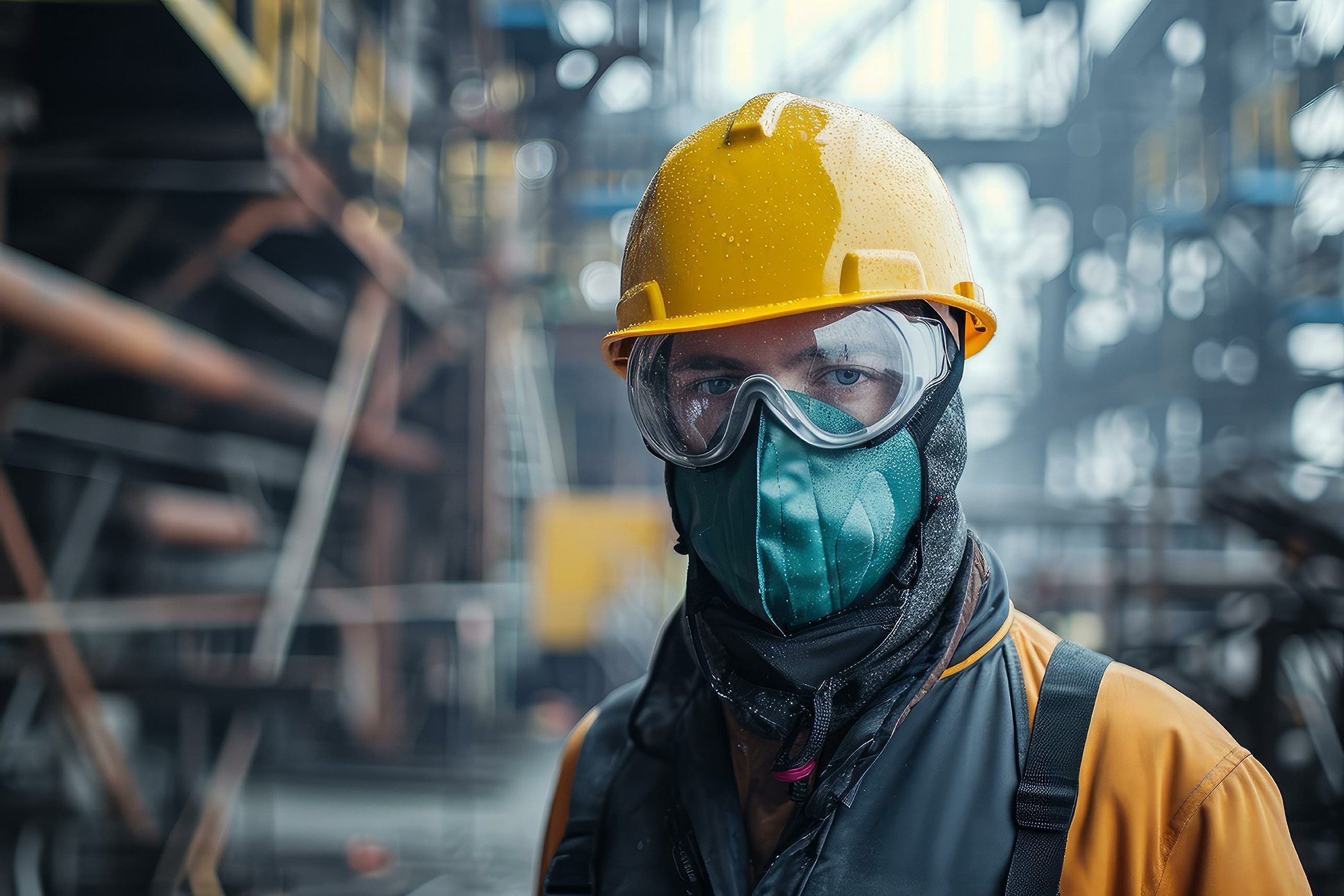
Selecting adequate respiratory protective equipment (RPE) is crucial for ensuring safety in environments with hazardous substances. The process involves a comprehensive risk assessment to identify the specific hazards and the required level of protection. Key considerations include understanding the form of the hazardous substances, determining if the task will be performed in an oxygen-deficient atmosphere, and consulting relevant guidance from OSHA, other sources, and safety data sheets (SDSs) from suppliers. An adequate respirator must be appropriate for the hazard and effectively reduce exposure to a safe level, protecting the wearer’s health. Consulting multiple sources for information and guidance is essential to ensure the chosen RPE is both effective and compliant with safety standards.
Comprehending Workplace Respiratory Hazards
Respiratory hazards in the workplace come in four distinct forms: solid particulates, liquid particulates, gases, and vapors. The specific type of protection needed is determined by the nature of the hazard. In environments where there is a lack of oxygen, supplied air RPE might be required. Choosing a respirator with the appropriate class and efficiency level is crucial to ensuring that exposure is reduced to a safe level.
Assigned Protection Factors (APFs)
Assigned Protection Factors (APFs) help match a respirator to the exposure. In the US, OSHA defines an APF as the level of protection a respirator, or a class of respirators, is expected to provide when the employer runs a continuing, effective respiratory protection program (OSHA’s respiratory protection standard). Other countries use their own APF tables and rules, so use the guidance for the country where the work is done. Where no protection factor is specified for a substance, the required protection factor has to be worked out from the exposure and the exposure limit.
Choosing Appropriate Respiratory Protective Equipment (RPE)
In Great Britain, the Health and Safety Executive’s guide HSG53 says a respirator is ‘suitable’ when it matches the wearer, the task and the environmental conditions, allows unrestricted movement and minimizes the risks of its own use. Evaluating suitability involves assessing factors related to the wearer, the task and the environment. US employers follow OSHA’s respiratory protection rules instead, summarized below.
Factors Relating to the Wearer
- Health Considerations: Any medical conditions or allergies that could impact the selection or use of RPE must be taken into account.
- Compatibility with PPE: Ensuring compatibility with corrective spectacles, contact lenses, or other personal protective equipment (PPE) is essential for comprehensive protection.
- Facial Hair: Tight-fitting RPE, such as disposable respirators, half masks, and full-face masks, may be compromised by facial hair, affecting the seal and effectiveness.
- Fit Testing: Face fit testing is crucial to verify how well the RPE fits the individual, ensuring compatibility with other PPE and prescription spectacles.
Factors Relating to the Task and Environment
- Duration and Intensity of Use: Consider the wear time and work rate to ensure the selected RPE remains comfortable and effective throughout its use.
- Working Conditions: Tasks performed in confined or tight spaces require RPE that allows for unrestricted movement and clear vision.
- Environmental Factors: Assessing temperature, humidity levels, and movement requirements helps select RPE that doesn’t hinder performance or pose additional risks.
Choosing the right RPE involves a thorough evaluation of these wearer-related and task/environmental factors to ensure safe and efficient protection. The experts at The Man Store can provide tailored guidance and a wide range of high-quality products to meet specific needs effectively.
How It Works in the United States
OSHA’s respiratory protection standard asks employers whose workers need respirators to take these steps:
- Set up a written, worksite-specific respiratory protection program run by a trained administrator.
- Select NIOSH-certified respirators suited to the hazards, and use each one only within its certified limits.
- Have a physician or other licensed health care professional evaluate each worker before fit testing or use, at no cost to the worker.
- Fit test workers on the same make, model, style and size they will wear; retest at least annually and when the facepiece changes.
- Have workers do a user seal check each time they put on a tight-fitting respirator.
- Keep tight-fitting respirators off workers whose facial hair comes between the seal and the face.
This is educational, not safety or legal advice; what applies to a given job depends on the employer’s hazard assessment and the regulator’s own text.
Trust The Man Store for Your RPE Needs
Selecting the correct RPE involves careful consideration of many factors. The Man Store offers respiratory products, including KN95 Respirator Masks & Face Masks, Reusable. Ask us about selecting the right type, fitting and filters, and check the approval markings against the NIOSH Certified Equipment List where it applies.

Learn More and Get Expert Advice
Visit The Man Store today to look at respiratory protection options for your workplace. Use coupon code RPE10 at checkout to receive a 10% discount on your safety equipment needs. (some restrictions apply).
